Watercolor Forest Animals Birds Owl Review
As a designer who has spent years translating digital art into tangible stitched goods, I approach every new machine embroidery design with a mix of excitement and skepticism. The market is flooded with generic motifs, but occasionally, a file arrives that feels like it was made for a specific story. That is my first impression of Watercolor Forest Animals Birds Owl. It does not just look like a collection of animals; it captures a mood. The watercolor aesthetic suggests softness, blending, and an organic flow that many standard vector-based designs struggle to achieve in thread. Before I commit this embroidery file to a client project or my own small shop inventory, I need to understand exactly how these delicate visual elements translate from screen to fabric.
The First Stitch: Mood and Visual Personality
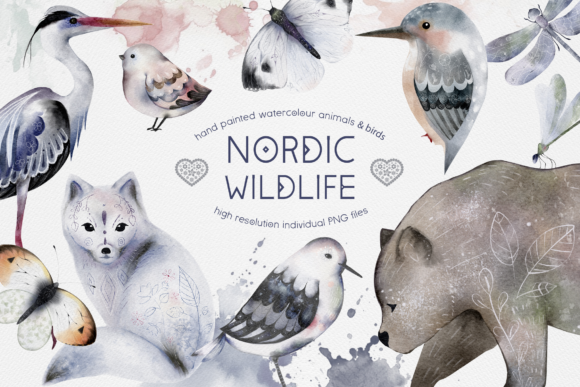
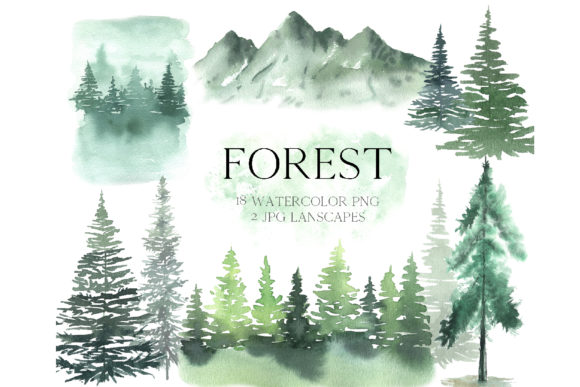
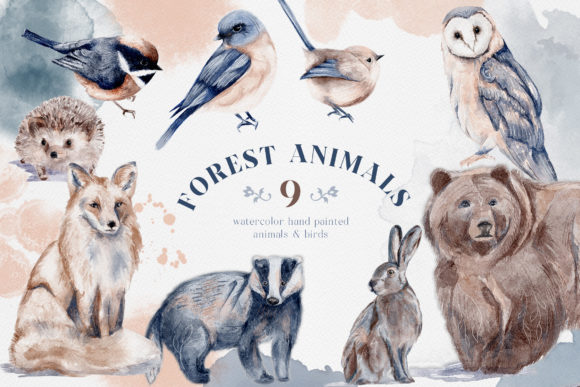
When I first load the preview of Watercolor Forest Animals Birds Owl, the immediate feeling is one of whimsical calm. This is not a bold, high-contrast graphic meant to shout from across a room. Instead, it belongs to the realm of gentle storytelling. The layout balances the owl as a focal point with birds and forest elements that frame the composition without overwhelming it. For an Etsy seller or a boutique owner looking to curate a nursery collection or a line of nature-inspired home goods, this design offers a distinct personality.
The challenge with any watercolor-style illustration in embroidery is maintaining that "painted" look while working with rigid thread. In Illustrations meant for print, gradients are seamless. In stitching, we rely on stitch direction, color layering, and density to mimic that effect. My initial assessment is that this design uses its shapes wisely. The edges are slightly irregular, which helps soften the transition between colors. If executed correctly, the result will feel handcrafted rather than industrially stamped, adding significant value to a finished product.
A Real-Life Scenario: The Custom Tote Bag Project
To truly test the viability of Watercolor Forest Animals Birds Owl, let’s imagine a real-world application. I am preparing a batch of custom canvas tote bags for a local craft fair. These bags are intended as eco-friendly gifts for teachers and nature enthusiasts. The canvas is a natural, unbleached cotton with a visible weave. I envision placing the design centered on the front panel, perhaps paired with a simple date or name in a complementary script font.
In this scenario, the design needs to pop against the beige background without getting lost in the fabric texture. Because the watercolor style relies on subtle color shifts, I would need to carefully select thread colors. Using a single shade of green for the forest might flatten the image. Instead, I would plan to use three to four variations of green and blue to create depth. The fill stitch areas will need to be dense enough to cover the canvas but not so heavy that they pucker the material. If the stitch density is too low, the raw canvas will show through, ruining the watercolor illusion. If it is too high, the bag handle area could become stiff and uncomfortable to carry.
This thought process highlights why reviewing a design before production is crucial. A design that looks perfect on a white mockup might struggle on textured custom apparel. With Watercolor Forest Animals Birds Owl, the potential for a beautiful tote bag design is high, provided the execution respects the limitations of the medium.
Navigating Fabric Challenges and Technical Nuances
While the artistic merit of this design is clear, practical application requires caution. Not every fabric plays nice with detailed, multi-colored imagery. For instance, using this design on thin, stretchy fabrics like jersey knit for a t-shirt requires a robust stabilizer. Without adequate support, the tension from the needle can distort the soft curves of the owl and birds, making them look jagged rather than fluid.
I also advise against using Watercolor Forest Animals Birds Owl on dark fabrics unless you are prepared for extensive underlay work. The watercolor aesthetic often utilizes light pastels and whites. On black denim or navy sweatshirts, those light threads will disappear unless backed by a solid white fill, which changes the design's character entirely. Similarly, curved surfaces like caps present a unique challenge. The intricate details of the birds' wings or the owl's feathers might get compressed on a curved brim, leading to thread bunching or skipped stitches.
For baby embroidery projects, such as onesies or blankets, the softness of the design is a major plus. However, safety and comfort are paramount. The back of the embroidery must be smooth. If the stitch density creates a hard ridge on the inside of a baby garment, the design becomes impractical regardless of how beautiful it looks on the outside. Always check the backing and trim loose threads meticulously when working with items that touch sensitive skin.
Strategic Use for Small Business Owners
For the craft business owner, Watercolor Forest Animals Birds Owl represents a versatile asset for seasonal collections. Imagine a holiday gift set featuring this design on tea towels or pillow covers. The forest theme resonates well during autumn and winter, offering a cozy alternative to traditional red-and-green holiday motifs. The ability to pair this design with personalized names makes it a strong contender for high-margin personalized gifts.
However, brand consistency is key. If your shop specializes in bold, geometric patterns, introducing a soft watercolor piece might confuse your customer base. Conversely, if your brand identity revolves around nature, mindfulness, and handmade quality, this design fits perfectly. It signals to the buyer that you care about detail and aesthetics. When creating printable mockups for your online store, ensure the lighting reflects the softness of the design. Overly saturated photos can make the embroidery look flat, whereas natural light photography will capture the texture of the satin stitch and running stitch accents, enhancing buyer engagement.
Practical Designer Notes for Success
Before you purchase or license Watercolor Forest Animals Birds Owl for commercial use, follow these practical steps to ensure a professional outcome:
- Test on Scrap Fabric: Never run the full design on your final product first. Stitch a test run on the exact same type of fabric you intend to use. Check for puckering, thread breaks, and color blending.
- Verify Hoop Size: Ensure your machine hoop accommodates the full width and height of the design. Cropping the edges of a watercolor illustration can ruin the composition.
- Review Color Palettes: Adjust the thread colors in your software to match your specific fabric tone. A design that works on cream may need darker shades for grey backgrounds.
- Check Licensing: Confirm whether the digital embroidery file allows for commercial sales of finished goods. Some licenses restrict the number of items you can sell or prohibit selling the file itself.
- Inspect Small Details: Zoom in on the bird wings and owl eyes. Ensure the stitch count is sufficient to define these features without becoming a tangled mess.
- Use Proper Stabilizer: Invest in a cut-away stabilizer for knits and woven fabrics to ensure the design holds up after washing.
Ultimately, Watercolor Forest Animals Birds Owl is more than just a pattern; it is a tool for storytelling. When used with the right fabric, stabilizer, and attention to detail, it elevates a simple item into a cherished keepsake. Whether you are creating a sweatshirt embroidery for a friend or building a line of commercial embroidery products for your shop, this design offers a warm, inviting aesthetic that customers love. Just remember to respect the technical requirements of the medium, and your handmade product will speak volumes about your craftsmanship.