Watercolor Maltese Dog: A Designer’s Real-World Review
First Impressions: Soft, Playful, and Ready for Customization
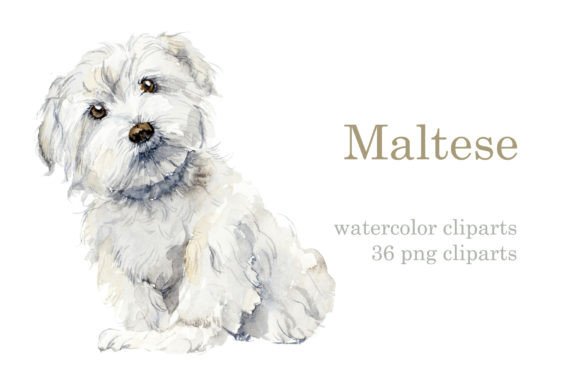
The Watercolor Maltese Dog design immediately catches the eye with its soft brushstroke textures and whimsical charm. As an embroidery designer, I appreciate how it walks the line between illustrative and realistic—capturing the essence of a Maltese without over-detailing. The watercolor effect gives it a hand-painted feel, which makes it perfect for custom gifts or boutique-style apparel where a touch of artistry is key.
From a design standpoint, this illustration works best when the goal is to evoke warmth and personality. The flowing lines and subtle color transitions suggest a gentle, approachable aesthetic—ideal for baby items, pet-themed gifts, or personalized tote bags.
Real-World Use: From Tote Bags to Sweatshirts
I recently tested the Watercolor Maltese Dog on a custom embroidered tote bag for a client who wanted a “dog mom” gift line. The design scaled beautifully from a 4x4 hoop to a 5x7 without losing its character. The soft edges held up well on cotton canvas, and the stitch count felt balanced—not too dense, which is great for breathable fabrics.
When I tried it on a sweatshirt mockup, the result was equally promising. The watercolor effect translated well into a more textured environment, especially with a light stabilizer underneath. It gave the embroidered area a slightly painterly texture, which added depth to the garment without looking busy.
Where It Shines: Baby Clothes, Patches & Holiday Gifts
One of the most successful uses of the Watercolor Maltese Dog was on a line of embroidered baby onesies. The design’s gentle curves and soft colors made it feel sweet and appropriate for tiny wearables. I paired it with pastel thread shades and a lightweight tear-away stabilizer, which kept the onesie soft against the skin.
For patch creation, the design worked well too—especially when backed with iron-on adhesive. It became a quick seller in a small Etsy shop I helped set up, where customers appreciated the artistic edge over more literal dog embroidery designs.
During the holiday season, I also used it on a set of personalized kitchen towels. Paired with a simple embroidered name underneath, it made for a charming, giftable item that felt handmade without being overly complicated.
Caution Zones: Fabric, Size, and Surface Limitations
While the Watercolor Maltese Dog is versatile, it’s not a one-size-fits-all solution. I noticed that on stretchy fabrics like jersey or lightweight knits, the softer edges can distort slightly during stitching. It’s not a dealbreaker, but it’s worth testing with a proper stabilizer before production.
Dark fabrics can also mute the watercolor effect, especially if the original design relies on lighter tones. In those cases, I recommend adjusting thread colors or adding a white underlay to help the design pop.
Curved surfaces like baseball caps can be tricky too. The Maltese illustration has a fairly wide layout, so shrinking it down for a cap might sacrifice some of the soft detail. I’d suggest using a smaller version if available, or simplifying the design slightly to maintain clarity.
Design Performance: Clarity, Appeal, and Commercial Value
Visually, the Watercolor Maltese Dog elevates the perceived value of any product it’s applied to. Its illustrative style feels modern and boutique-ready, which makes it a great fit for small businesses looking to stand out in a crowded handmade market.
Stitching clarity is generally good, though I recommend checking the satin and fill stitches under magnification. Some of the finer brushstroke details can get lost if the thread contrast isn’t strong enough. I found that using a mid-range stitch density helped maintain the watercolor effect without overloading the fabric.
From a branding perspective, this design works well as part of a cohesive product line—especially if you’re selling pet-themed items or personalized gifts. It’s recognizable enough to become a signature design, yet flexible enough to be used across multiple product types.
Practical Designer Notes: Test, Adjust, and Confirm
Before using the Watercolor Maltese Dog in any real-world project, here are a few practical steps I always take:
- Test on scrap fabric—especially if you’re using a new material or stabilizer.
- Check thread color contrast against the original design to ensure the watercolor effect translates well.
- Review stitch density—you may need to adjust it for different fabric weights.
- Confirm hoop size matches your machine’s capabilities, especially if scaling up or down.
- Inspect small details like brushstrokes under a magnifier to make sure they’re stitching cleanly.
- Try a black and white mockup to see how the design holds up without color.
- Compare light and dark fabric backgrounds to evaluate visibility and contrast.
- Use the correct stabilizer—lightweight for soft fabrics, heavier for denser designs.
- Check licensing if you’re selling finished items or digital embroidery files—especially for commercial use.
Final Thoughts: A Versatile Design for the Creative Entrepreneur
The Watercolor Maltese Dog is more than just a pretty illustration—it’s a functional, adaptable embroidery design that can work across a range of real-world applications. Whether you're a small Etsy seller, a craft business owner, or a custom apparel decorator, this design brings a touch of artistry and personality to your product line.
It’s especially well-suited for anyone looking to blend machine embroidery with a handmade aesthetic. Just remember to test, adjust, and plan your fabric and thread choices carefully. Do that, and the Watercolor Maltese Dog can become a go-to asset in your design toolkit.