Watercolor Sewing Cliparts: A Brand Designer’s Practical Review for Local Business Visuals
As a brand designer working with local businesses, I’m always on the lookout for design assets that offer both aesthetic appeal and functional flexibility. Recently, I came across Watercolor Sewing Cliparts and decided to evaluate them for a boutique brand identity project. Here’s my hands-on review from a real-world design perspective.
First Impressions: Soft, Handmade, and Inviting
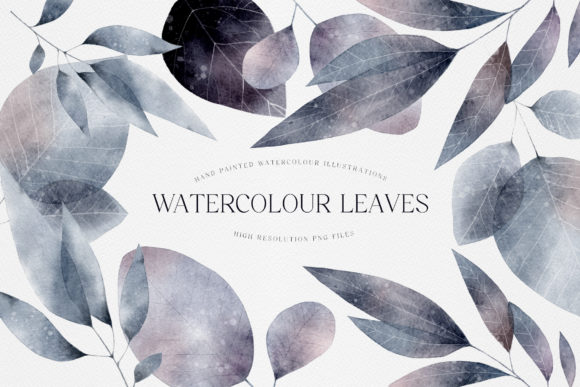
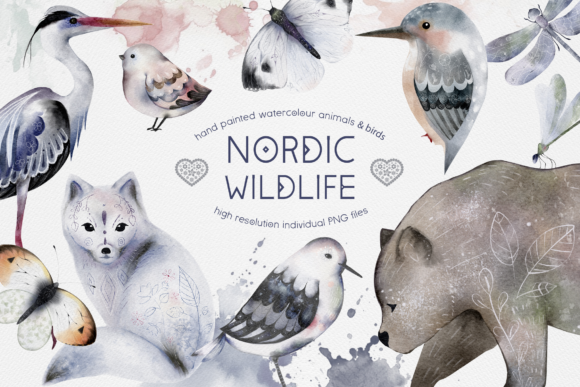
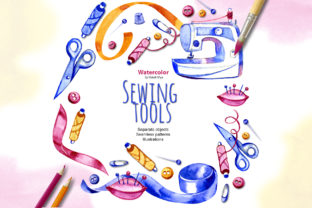
The first thing I noticed about the Watercolor Sewing Cliparts was their delicate, artisanal charm. The watercolor texture combined with hand-drawn sewing elements gives off a warm, approachable vibe. These illustrations feel like they belong in a cozy handmade shop or a boutique that values craftsmanship and personal touch.
This design style naturally leans into a brand personality that’s friendly, feminine, and a bit nostalgic. It’s perfect for businesses that want to communicate authenticity and care in their product creation process. Think handmade soap brands, artisanal food labels, or children’s clothing boutiques.
How Watercolor Sewing Cliparts Can Elevate Brand Identity
When designing for a local bakery that wanted to launch a line of handmade aprons and kitchen accessories, I needed visuals that felt personal and warm. The Watercolor Sewing Cliparts provided the perfect decorative accents for their packaging and branding materials.
- Logo accents: Used as a secondary graphic in the corner of a logo mark for a sewing-themed brand.
- Packaging design: Printed on cotton tags, gift tags, and custom tissue paper for a boutique packaging experience.
- Product labels: Small icons used to highlight handmade or limited-edition items.
- Social media graphics: As part of Instagram posts and Pinterest visuals for a cohesive aesthetic.
These illustrations helped the brand feel more personalized and less mass-produced, which is crucial for small businesses competing in crowded markets.
Supporting Business Presentation and Customer Trust
One of the biggest challenges small businesses face is standing out on shelves or online. With the Watercolor Sewing Cliparts, I was able to help my client achieve a more polished and consistent visual identity across multiple touchpoints.
Here’s how these design assets supported the business presentation:
- Stronger first impression: The soft watercolor look caught attention without being overwhelming.
- Better product recognition: Unique clipart helped distinguish packaging from generic designs.
- Clearer visual hierarchy: Used to guide attention to key product features or brand values.
- Consistent brand identity: Applied across packaging, thank-you cards, and social media for a unified look.
- Improved customer trust: The handmade aesthetic aligned with the brand’s authenticity and craftsmanship.
Where Watercolor Sewing Cliparts Shine
From my experience, these illustrations work best in the following local business applications:
- Product labels: Especially for small-batch, handmade, or artisanal goods.
- Packaging accents: Tissue paper, hang tags, or box liners for a boutique feel.
- Hero graphics: On packaging or digital banners to highlight a brand’s handmade nature.
- Seasonal packaging: Easily adapted for holidays or limited-time collections.
- Social media campaign visuals: In Canva templates or digital ads to create a cohesive feed.
Where to Use These Illustrations with Caution
While the Watercolor Sewing Cliparts are versatile, they aren’t a one-size-fits-all solution. I found a few situations where they needed to be used carefully:
- Formal corporate branding: Too soft for high-end or luxury brands that require minimalism.
- Very small labels: Details can get lost at tiny sizes, especially on food or cosmetic packaging.
- Crowded product packaging: May compete with essential text or legal information.
- Low-contrast backgrounds: The watercolor style can fade into light or busy backgrounds.
- Luxury minimalist brands: Doesn’t align with sleek, modern aesthetics.
Practical Designer Notes Before Use
Before finalizing the use of these Watercolor Sewing Cliparts in a client project, I always run through a checklist to ensure they’ll perform well in both digital and print applications:
- Test on real packaging mockups: See how the clipart looks on actual box or label sizes.
- Check black and white usage: Confirm details remain visible in grayscale.
- Preview on small labels: Ensure clarity at reduced sizes.
- Test with brand colors: Make sure the watercolor tones complement your color palette.
- Compare with competitor packaging: Ensure it stands out but still fits the category.
- Check print quality: Look for pixelation or blurring when printed.
- Review PNG transparency: Essential for clean layering in design software.
- Inspect SVG or vector editability: If included, test scalability in Adobe Illustrator or similar tools.
- Test with different fonts: Try pairing with serif, sans-serif, script, and handwritten fonts to find the best match.
- Confirm commercial licensing: Always verify the license allows for client work and product resale.
Final Thoughts: A Valuable Asset for the Right Brand
The Watercolor Sewing Cliparts are a fantastic choice for small businesses looking to create a warm, approachable, and artisanal brand identity. Whether you're designing for a local bakery, handmade soap brand, or boutique shop, these illustrations can elevate your packaging, social media, and promotional materials.
As with any graphic design asset, the key is to use them thoughtfully and intentionally. When applied correctly, they can help your brand stand out, connect emotionally with customers, and create a more memorable experience across all touchpoints.
If you're working on a small business branding project and want to add a touch of handmade charm, I’d definitely recommend giving these Watercolor Sewing Cliparts a try—just be sure to test thoroughly before printing or publishing.