Watercolor Tropical Animals Clipart & Illustrations
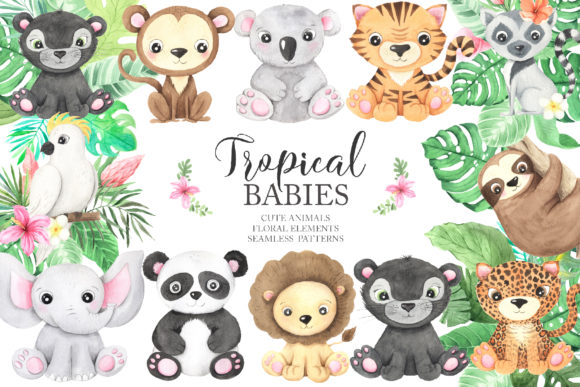
I recently opened a new file for a client launching a line of eco-friendly children's swimwear and beach accessories. The brief was specific: they needed a visual identity that felt organic, playful, and distinctly tropical without slipping into the cliché of generic stock photography. As I scrolled through my library of design assets, I stumbled upon the Watercolor Tropical Animals Clipart collection. My initial reaction was immediate; the soft edges and vibrant washes promised exactly the kind of warmth the brand needed to establish trust with parents looking for safe, fun products.
For any designer working on small business branding or handmade product lines, the first impression of a graphic design asset is crucial. This collection immediately evokes a mood of summer leisure and natural wonder. The style represents a modern take on traditional watercolor painting, where the pigment seems to bleed naturally into the paper texture. It avoids the rigid, vector-perfect look that can sometimes feel cold in marketing visuals. Instead, it offers an emotional appeal that resonates deeply with audiences seeking authenticity. When I dragged the first few illustrations into my mockup canvas, the project direction instantly clarified. These weren't just images; they were the foundation for a cohesive brand story.
Evaluating Visual Mood for Brand Identity
In real-world design situations, the choice of illustration style dictates the entire tone of the campaign. For this swimwear launch, I needed to ensure the Watercolor Tropical Animals Clipart could support a professional brand identity while remaining approachable. The collection performs exceptionally well in packaging design, where the soft textures suggest quality and care. Imagine a product label on a bamboo sun hat or a tote bag featuring a watercolor toucan; the visual hierarchy remains clear because the artwork draws the eye without overwhelming the typography.
However, using these assets requires a keen understanding of context. While they are perfect for editorial design, social media graphics, and printable wall art, they demand careful placement. In a crowded layout or against a complex background, the delicate details of the watercolor strokes can get lost. I tested the clipart on a dark navy background intended for a t-shirt design, and while the contrast was striking, some of the lighter pastel animals required a subtle drop shadow to maintain visibility. This highlights a critical lesson for designers: always preview your assets at various sizes and on different backgrounds before finalizing a commercial design.
Practical Applications in Print and Digital Media
The versatility of this digital product extends far beyond simple web design. For print-on-demand sellers and Etsy shop owners, these illustrations are gold. I envisioned them as the centerpiece for a sublimation design on mugs and ceramic tiles, where the fluid nature of the watercolor mimics the glaze finish. Similarly, for Cricut projects, the clean cut-lines (assuming high-resolution PNGs or SVG availability) make them ideal for sticker designs and vinyl decals. The organic shapes add a human touch that machine-cut precision often lacks, making the final craft item feel more bespoke.
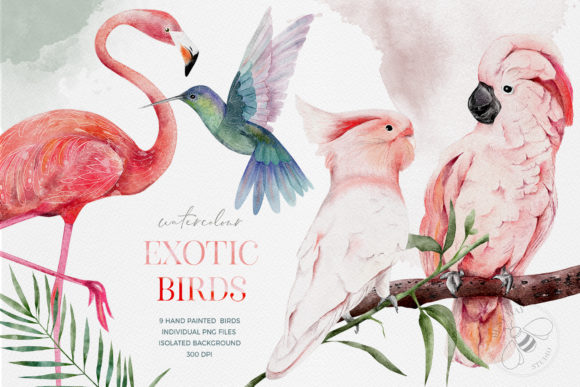
When creating Canva templates for bloggers or content creators, these assets serve as excellent decorative accents. A Pinterest pin featuring a watercolor flamingo alongside a handwritten font creates an instant stop-scroll effect. The combination of the artistic illustration and a script font reinforces the "handmade" aesthetic that drives engagement in creative marketplaces. Furthermore, in marketing visuals like email headers or blog banners, the Watercolor Tropical Animals Clipart adds a layer of polish that elevates the content above standard text-heavy posts.
Where the Asset Shines and Where to Exercise Caution
Every designer knows that not every asset fits every project. The Watercolor Tropical Animals Clipart works best in large layout areas where the texture and color blending can be appreciated. Hero graphics on a website landing page or large format posters for a local event benefit from the detail. In product mockups, placing these illustrations on packaging details allows the brand to communicate its values of nature and playfulness instantly.
Conversely, there are scenarios where this asset should be used carefully. Small sizes can render the watercolor effects muddy, losing the definition of the animal features. Minimalist branding or professional corporate materials might clash with the whimsical nature of these illustrations. If a client requires a very clean visual hierarchy with sharp lines and bold geometric shapes, these soft-edged animals may feel out of place. Additionally, low-contrast designs risk burying the artwork, so pairing them with strong, legible sans serif fonts is essential to maintain readability.
Designer Notes on Testing and Licensing
Before committing to any design bundle for a real client, I follow a strict testing protocol. First, I convert the design to black and white to check if the composition holds up without color. Then, I inspect the PNG transparency to ensure there are no jagged edges or unwanted white halos around the subjects. If the collection includes SVG files, I verify their editability in vector software to see if I can adjust colors to match the client's specific palette.
Typography pairing is another critical step. I compare how the Watercolor Tropical Animals Clipart interacts with serif fonts for a classic look versus display fonts for a bold statement. For this specific project, a rounded sans serif font complemented the soft curves of the animals perfectly. Finally, and most importantly, I confirm the commercial license. Using these assets for a client project, whether it's a logo design or a full marketing campaign, requires assurance that the rights cover all intended uses, including merchandise and advertising.
Ultimately, the decision to use Watercolor Tropical Animals Clipart comes down to the story you want to tell. For brands aiming to connect with audiences on an emotional level, offering a sense of joy and connection to nature, these illustrations are a powerful tool. They transform a standard design project into a memorable experience. Whether you are a marketer crafting a seasonal campaign or a crafter building a new product line, these design assets offer the flexibility and charm needed to stand out in a saturated market. By understanding their strengths and limitations, you can leverage them to create work that feels both professional and personally crafted.